
We’ve been in the plastics industry for 40 years, so we know that it is constantly evolving, and as we look towards 2026, several key trends are expected to shape the sector. From sustainability and AI to new methods and materials, here’s what we can anticipate in the coming years.
Sustainability
At Key Plastics, sustainability will be a crucial focus for us in 2026. We have already started by introducing the Power Radar Energy Monitoring Portal, which provides visibility into normal equipment energy use, helping identify abnormalities early and supporting both energy management and preventive maintenance before downtime occurs. Research tells us that consumers today are increasingly demanding proof and data to confirm sustainability claims made by brands. This shift in consumer behaviour will drive manufacturers to invest in more eco-friendly processes and materials, such as bio-based plastics. Additionally, the EU Packaging and Packaging Waste Regulation, set to come into effect in 2026, will further push the industry towards sustainability by setting new standards for packaging waste reduction and recycling.
AI
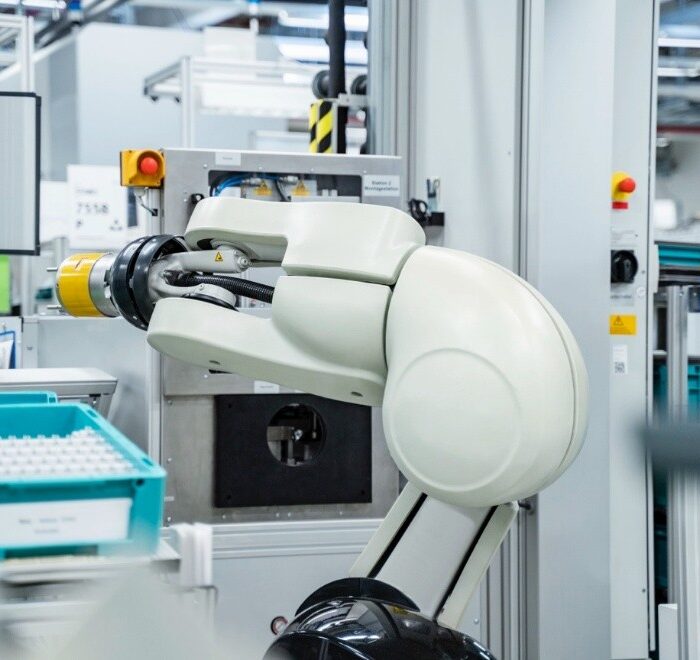
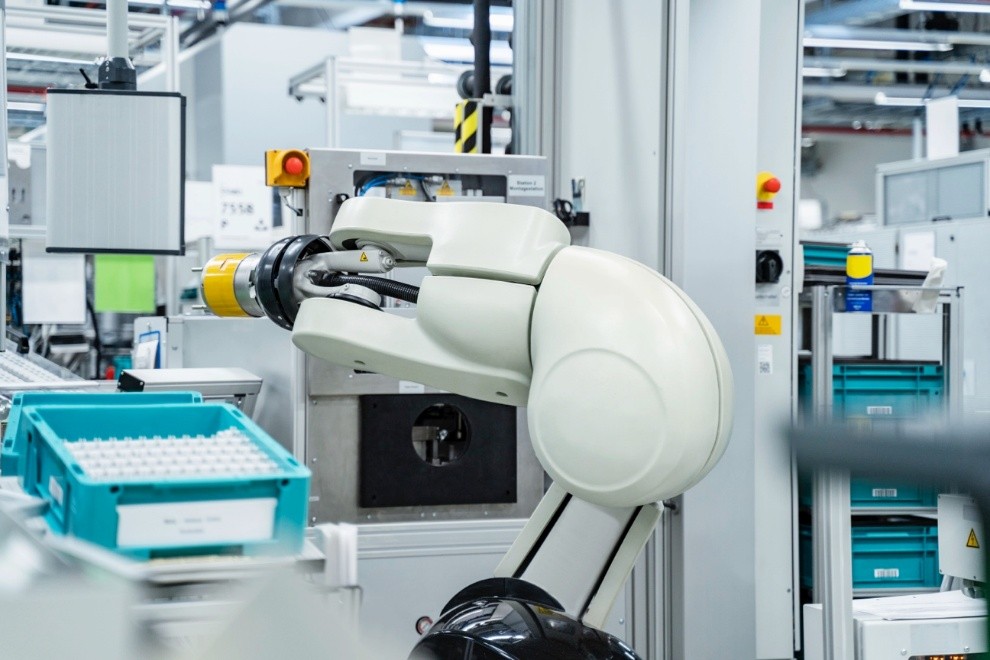
Artificial Intelligence (AI) is expected to play a significant role in improving recycling processes. AI-powered systems can help sort and identify different types of plastics more efficiently, leading to higher recycling rates and reduced waste. Furthermore, AI can optimize injection moulding processes through the use of collaborative robots or ‘cobots’ which quickly adapt to various production conditions, real-time monitoring and automated defect detention. All of this means less overheads, less material waste and quicker and more accurate results.
Methods
In terms of manufacturing methods, over moulding, insert moulding, and 3D printing are expected to gain acceptance. Over moulding and insert moulding allow for the combination of multiple materials in a single product, enabling the creation of more complex and functional designs. 3D printing, on the other hand, offers the potential for rapid prototyping, customization, and the production of intricate shapes that are difficult to achieve with traditional manufacturing methods.
Materials
We’re all familiar with the circular economy and the need for manufacturers to move away from the ‘take, make, dispose’ model to a more regenerative one where materials can be reused and repurposed. Post-consumer recycled content (PCR) and bio-based plastics are set to become more prevalent in 2026. PCR plastics are made from recycled materials, reducing the need for virgin plastics and contributing to a circular economy. Bio-based plastics, derived from renewable sources such as corn starch or sugarcane, offer a more sustainable alternative to petroleum-based plastics. As consumers and regulations push for more environmentally friendly options, the demand for these materials will likely increase.
Demand
Over the past years we have seen a growth in industries such as medical and this is expected to continue, along with some other markets. The medical industry, which relies heavily on plastics for various applications such as disposable medical devices and packaging, will continue to be a significant driver of demand. We’re also seeing a considerable shift in the electronics industry, with its need for lightweight and durable materials. Lastly, the general packaging sector, encompassing food and beverage, personal care, and other consumer goods, will remain a key market for plastic manufacturers.
As the plastic manufacturing industry looks towards 2026, sustainability, AI, new methods, and materials will be at the forefront of innovation. Manufacturers who adapt to these trends and prioritise environmental responsibility will be well-positioned to meet the evolving demands of consumers and regulations in the years to come. At Key Plastics, we have been investing in our expertise and equipment and feel confident that we can meet any new challenges in 2026 and beyond!