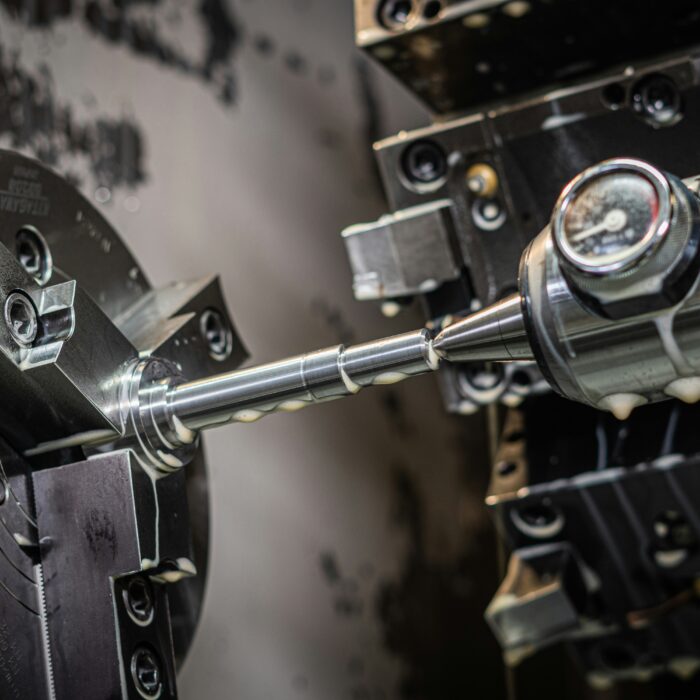

Sustainability has become a regular part of the conversation in manufacturing, and most of the attention tends to go to renewable energy, recycled materials and carbon reporting. Those all matter, but some of the most practical gains come from somewhere less obvious: the accuracy and care that go into designing, tooling and making each part in the first place.
After 40 years of making moulds, machining parts and running injection moulding presses, we’ve found that precision engineering and sustainable manufacturing are closely linked. The more accurately something is designed and made, the less material, energy and transport it takes to produce a good part, and the longer the tooling behind it will last.
Getting it right first time
The most sustainable part is the one you only have to make once, because every rejected part carries a hidden cost. The material, the machine time and the energy have all been used up, and you still need to make another one. When a component has to hold tight tolerances, being a few microns out can be the difference between a good part and a bin full of scrap.
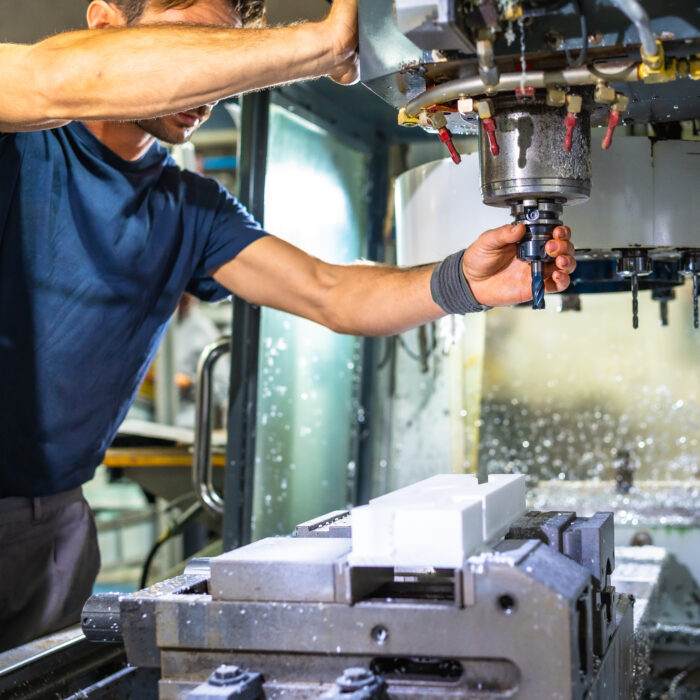
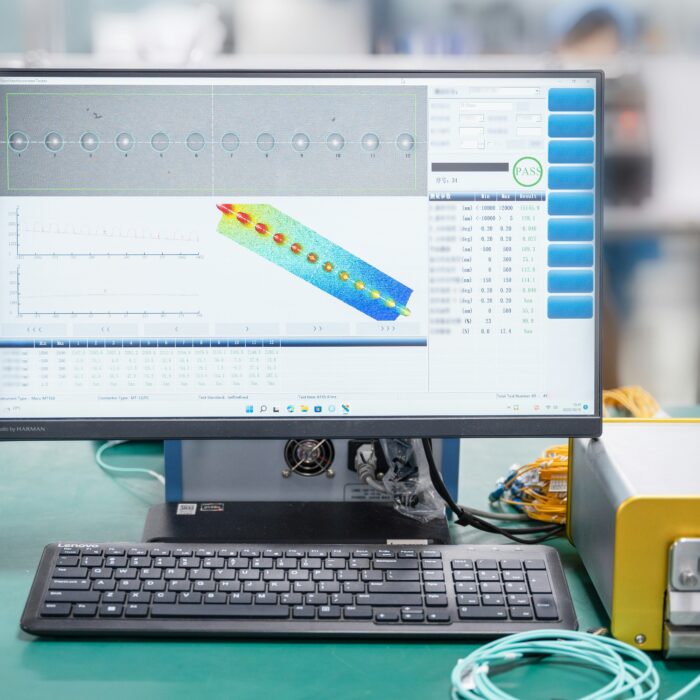
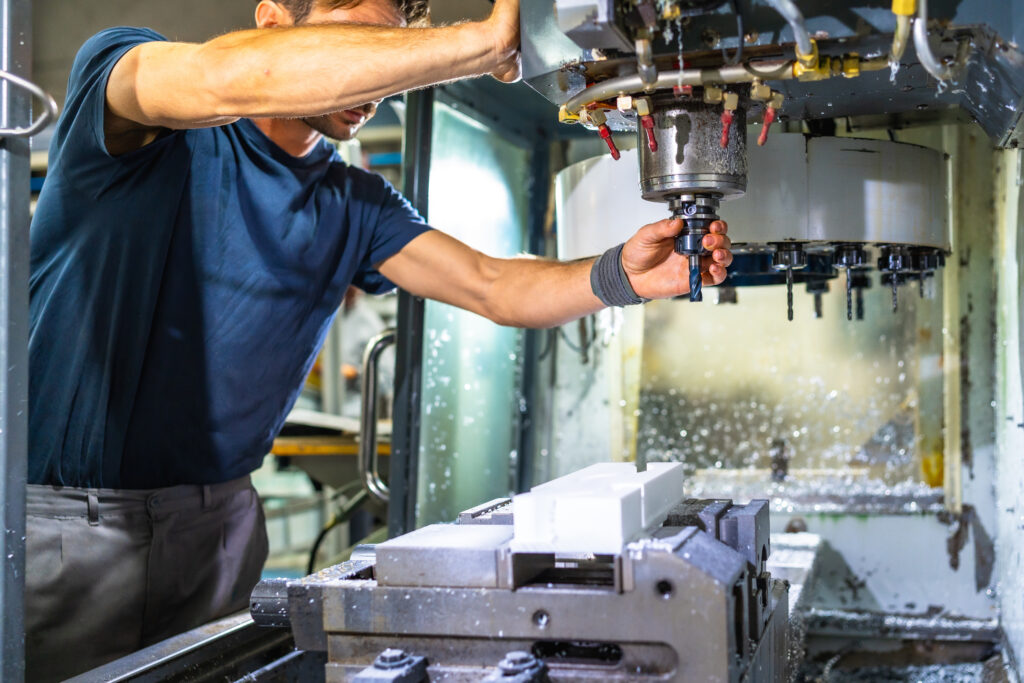
Accurate CNC machining, careful toolmaking and proper inspection mean parts come off the machine right far more often. At Key Precision we check critical dimensions on our CMM and optical measurement equipment, so problems get caught early rather than halfway through a production run. None of this is a dedicated sustainability initiative, but good engineering like this cuts a surprising amount of waste.
Design for manufacture saves more than money
At Key Precision, we think ahead and discuss design options with customer in order to address the issue of waste. A wall that’s thicker than it needs to be uses extra plastic in every single part for the whole life of the product, and a feature that’s awkward to mould can mean longer cycle times, more energy per part and a higher reject rate. Multiply that across hundreds of thousands of parts and the numbers add up quickly.
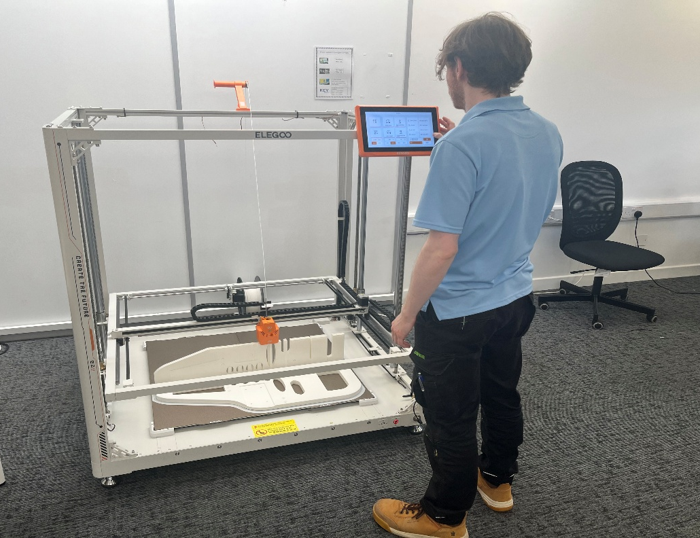
That’s why we like to get involved early. A good design for manufacture (DFM) review looks at wall thickness, gating, material choice and geometry to find the simplest way to make a part, and there usually is a simpler way. We often 3D print a prototype so customers can hold it, test the fit and make changes before any steel is cut. Changing a CAD file is far cheaper, and far less wasteful, than reworking a finished mould.
Better moulds make better parts for longer
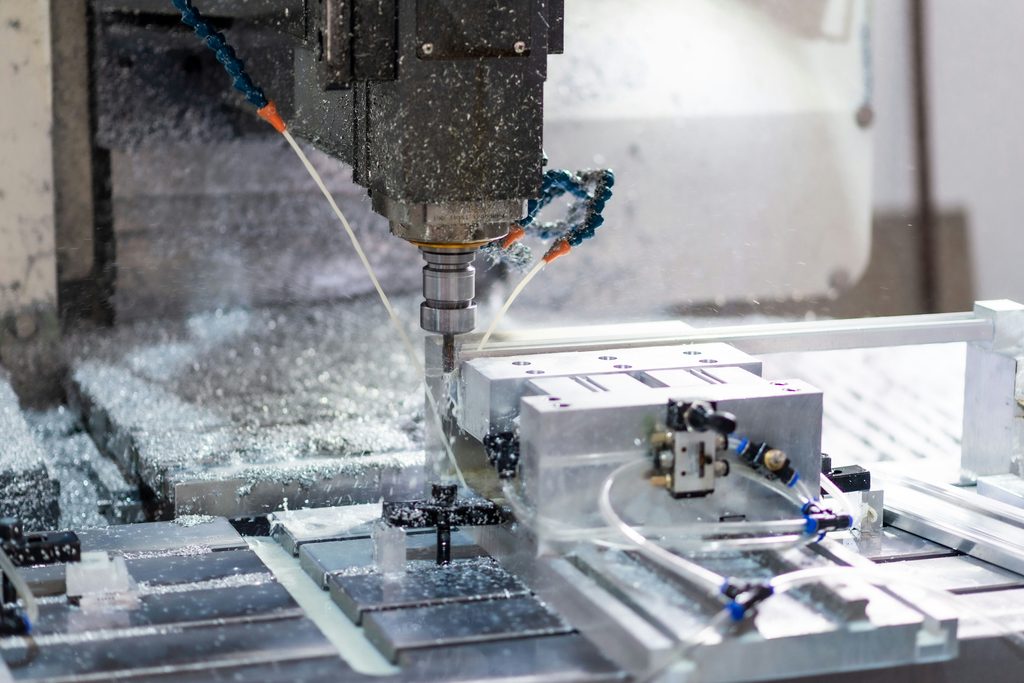
A well-made injection mould is one of the most effective sustainability tools a manufacturer can have, even though it’s rarely thought of that way. When a mould is machined accurately, with good cooling and clean shutoffs, it runs faster and more consistently. Shorter cycle times mean less energy per part, while less flash and fewer defects mean less scrap and less trimming afterwards. A mould that’s built properly in the first place also lasts a lot longer.
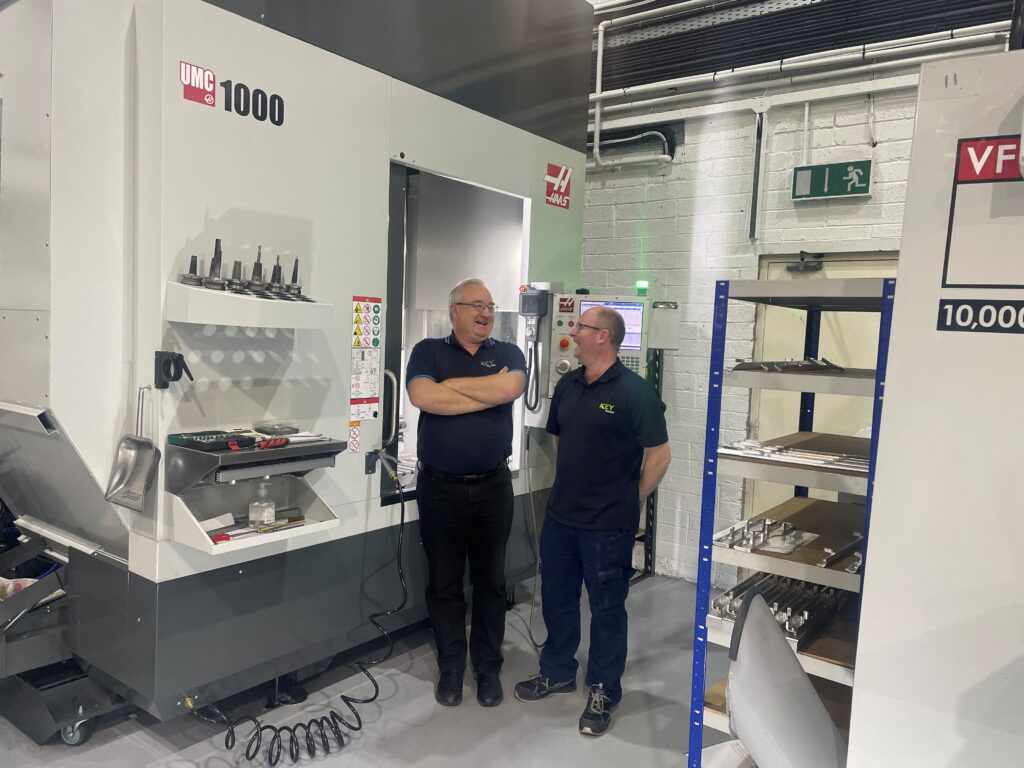
Our 5-axis CNC machining plays a part here too. Machining complex shapes in a single set-up means fewer re-clamps, fewer opportunities for error and less time on the machine overall.
Repair beats replace
When a mould is damaged or worn, building a new one can look like the easy option. The reality is that a new mould means a large block of tool steel, many hours of machining and a lot of embedded energy, and very often it isn’t needed.
With laser welding, EDM, wire erosion and CNC machining, a skilled toolmaker can rebuild worn features, replace inserts and get a tool back to spec. Declan and the team in our toolroom do this every day, and our daily collection and delivery service means tooling doesn’t sit idle waiting for attention. Regular maintenance makes a big difference as well, since a mould that’s looked after can keep producing good parts for years longer than one that’s run until it breaks.
Extending the life of a tool is about as practical a sustainability win as you’ll find. It keeps materials in use, avoids the energy cost of a replacement and keeps production moving.
Keeping it close to home
Distance matters as well. When a part is designed in one country, tooled in another and moulded in a third, it racks up a lot of miles, and every trip adds cost, time and emissions.
Having design, toolmaking, CNC machining, moulding and inspection within the same business cuts much of that out. When one of our moulds needs a tweak, it goes down the road to Key Precision rather than onto a ship, which is quicker, simpler and better for the environment. It’s also one of the reasons more Irish and European manufacturers are looking for suppliers closer to home.
Using data to waste less
You can’t improve what you don’t measure. Digital quality measurement lets us spot trends as they happen, such as a dimension slowly drifting as a tool wears, and step in before it turns into a rejected batch.
The bottom line
Sustainable manufacturing doesn’t always need a huge investment or a big announcement. A lot of it comes down to doing the basics really well, which means designing parts sensibly, building accurate tooling, looking after it, measuring properly and keeping the supply chain short.
That’s what precision engineering is all about, and it’s reassuring that the things that make a part better, faster and cheaper to produce usually make it more sustainable too.
If you have a tooling, machining or mould repair project, or you’d like a second opinion on a design, get in touch with the team at Key Precision.