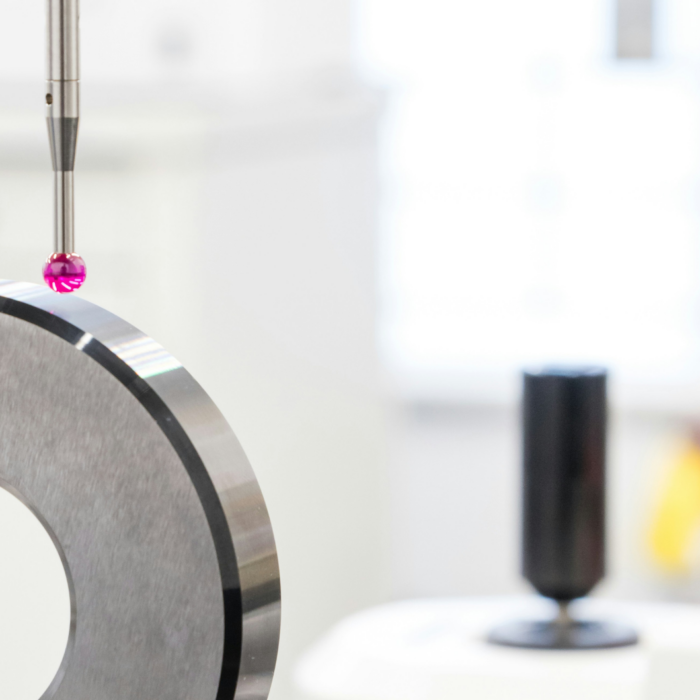

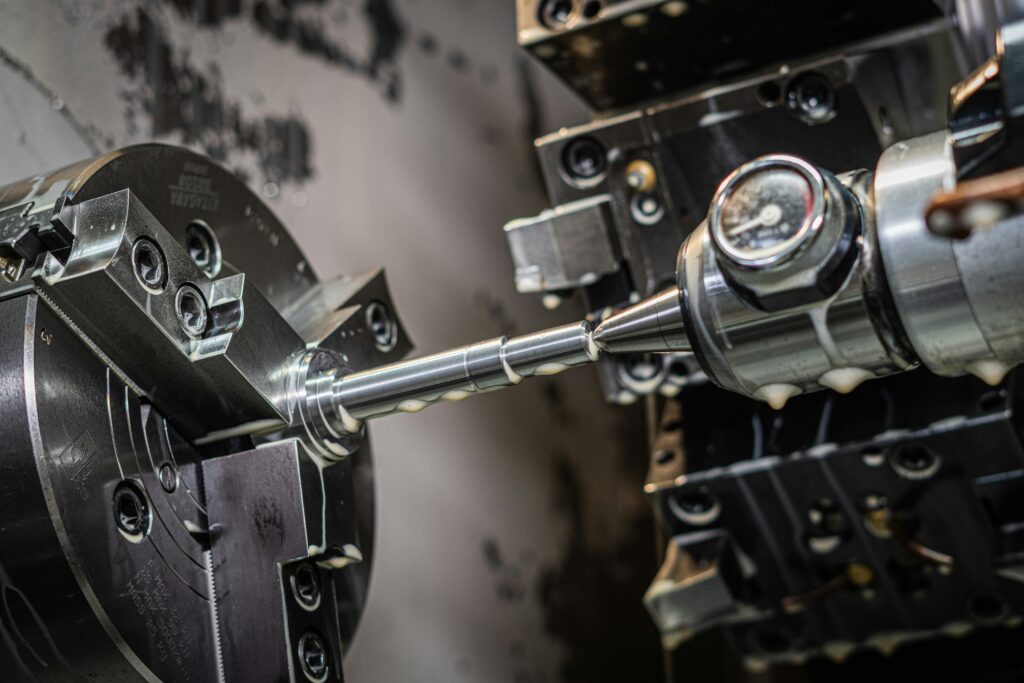
In modern manufacturing, the quality of a product often comes down to the quality of the tool behind it. This is especially true in mould manufacturing where precision machining, alongside skilled toolmaking, defines how well a tool performs once it reaches production.
For companies working with plastics and high-spec components, tooling must perform consistently under pressure, sometimes over millions of cycles. That is where the combination of injection mould tooling precision and quality toolmaking becomes essential. A well-made mould does more than form parts, it supports stable, repeatable production over its entire working life.
Why precision starts at the tooling stage
Every mould begins as a design, but it is precision machining, supported by the skill of the toolmaker, that turns that design into something usable on the production floor.
If machining is even slightly off, the effects are carried through every part produced. That can show up as dimensional variation, poor surface quality, or increased scrap rates. Over time, these small inconsistencies create real cost and production issues.
This is why mould manufacturing relies on precision machining with good quality toolmaking. Together they ensure that the finished tool matches the design intent exactly, even when tolerances are extremely tight.
The real impact of injection mould tooling precision
When tooling is manufactured to a high level of accuracy, through a combination of precision machining and toolmaking, the benefits are felt across the entire production process rather than just in the tool itself.
Strong injection mould tooling precision helps to:
- Maintain consistent part dimensions across production runs
- Reduce scrap and unnecessary rework
- Improve cycle stability and efficiency
- Minimise defects such as warping, flash, or sink marks
In sectors such as medical devices, automotive components, and electronics, consistency is not optional. Parts need to meet specification every time they are produced, not just occasionally.
Getting the details right in complex tooling
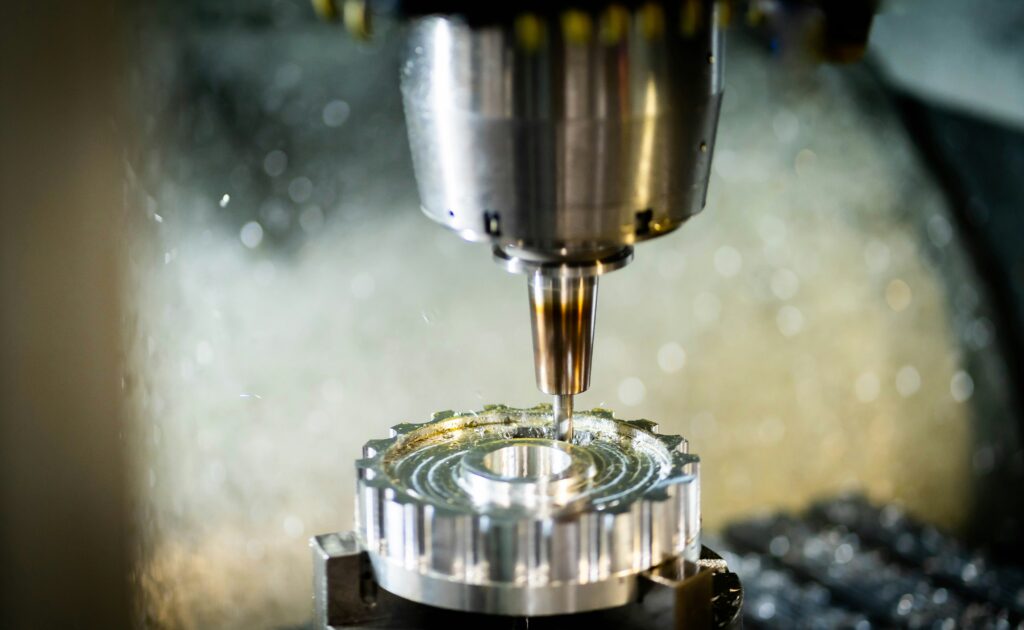
High-performance moulds are rarely simple. They often include intricate geometries, tight tolerances, and features that must interact perfectly under heat and pressure. Achieving this level of performance depends on how the tool is machined and on the broader expertise of the toolmaker bringing it together.
Complex shapes
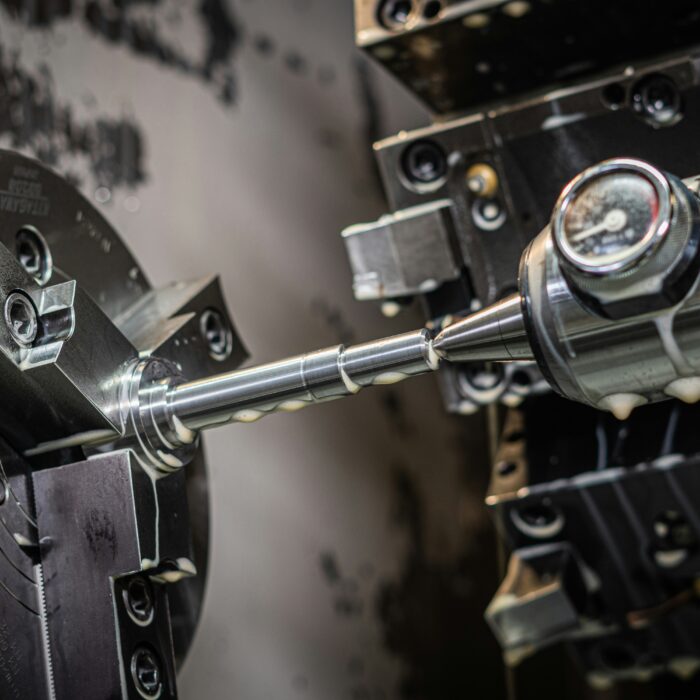
Modern multi-axis CNC machining allows toolmakers to produce detailed geometries with a high level of control. This helps maintain accuracy across complex cavity and core designs without compromising structural integrity.
Surface finish
The quality of the machined surface directly affects both the appearance of the final part and how easily it releases from the mould. Better machining reduces reliance on manual polishing and helps achieve more consistent finishes from the start.
Cooling channels
Cooling design plays a major role in mould performance. Precisely machined cooling channels help regulate temperature more effectively, which leads to improved part quality and more efficient cycle times.
Supporting consistent production over time
One of the most important advantages of high-precision tooling is consistency. Once a mould is running in production, it needs to deliver the same result repeatedly without variation.
With strong injection mould tooling making, manufacturers can:
- Maintain stable output across long production runs
- Reduce interruptions caused by tool wear or misalignment
- Improve overall process reliability
Looking at long-term cost and performance
Precision machining can increase upfront tooling costs, but it typically delivers value over the full life of the tool.
In mould manufacturing, higher machining accuracy combined with strong toolmaking usually results in:
- Lower scrap rates
- Reduced maintenance requirements
- Fewer production stoppages
- Longer tool lifespan
Where the industry is heading
Manufacturing continues to move towards tighter tolerances, more complex geometries, and higher expectations for repeatability. Advances in CNC systems, automation, and process control continue to raise standards.
Conclusion
Precision machining plays a central role in modern mould manufacturing, working alongside good quality toolmaking to determine how a tool performs, how consistently it runs, and how long it remains in service.
By prioritising precision machining in mould building, companies can improve product quality, reduce waste, and create more stable production processes. Strong injection mould tooling precision is ultimately about reliability. Get in touch with Key Precision today to discuss your next project