
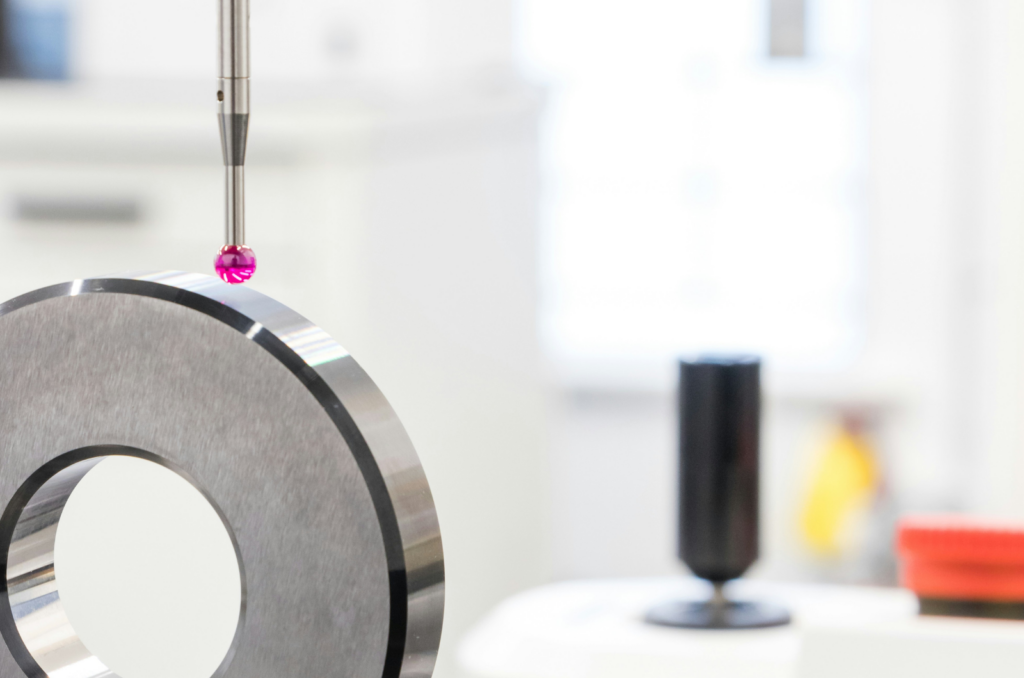
How precision measurement keeps Irish plastics manufacturers competitive
In plastics manufacturing, tolerances leave little room for error. A fraction of a millimetre of variation in a moulded component can cause failures at the point of assembly, trigger customer complaints, or result in a costly product recall. For manufacturers supplying into regulated sectors like medical devices or automotive, the stakes are higher still.
Metrology in manufacturing is what keeps those risks in check. It is the science of measurement applied to your production process, giving you the data to confirm that what you are making matches what was designed, batch after batch.
This article covers what metrology looks like in practice for a plastics manufacturer, why quality measurement systems are worth investing in, and how getting measurement right translates to better outcomes for your business and your customers.
What Is Metrology and Why Should Manufacturers Care?
Metrology is the science of measurement. In a manufacturing setting, it covers how you measure, how accurately you measure, and how confident you can be in the results. It underpins every major quality standard, from ISO 9001 to IATF 16949 in automotive supply chains and ISO 13485 for medical devices.
For plastics manufacturers, metrology covers dimensional inspection of moulded parts, surface finish analysis, wall thickness measurement, and more. Catch problems early, and they stay inside your facility. Miss them, and they become your customer’s problem and your liability.
Metrology in manufacturing is not just about finding problems. It is about building a system that stops them from happening in the first place.
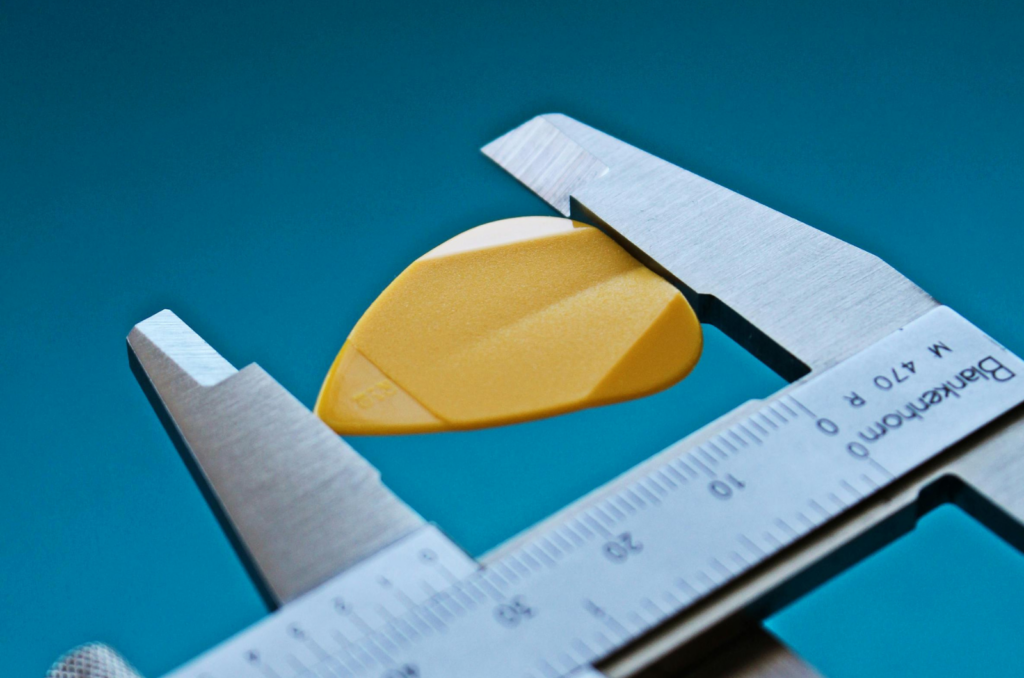
The Role of Quality Measurement Systems in Plastics Manufacturing
A quality measurement system is more than a collection of gauges and callipers. It is a structured approach to capturing, analysing, and acting on dimensional and process data throughout your production cycle.
In practice, a well-run quality measurement system for a plastics manufacturer covers several key areas:
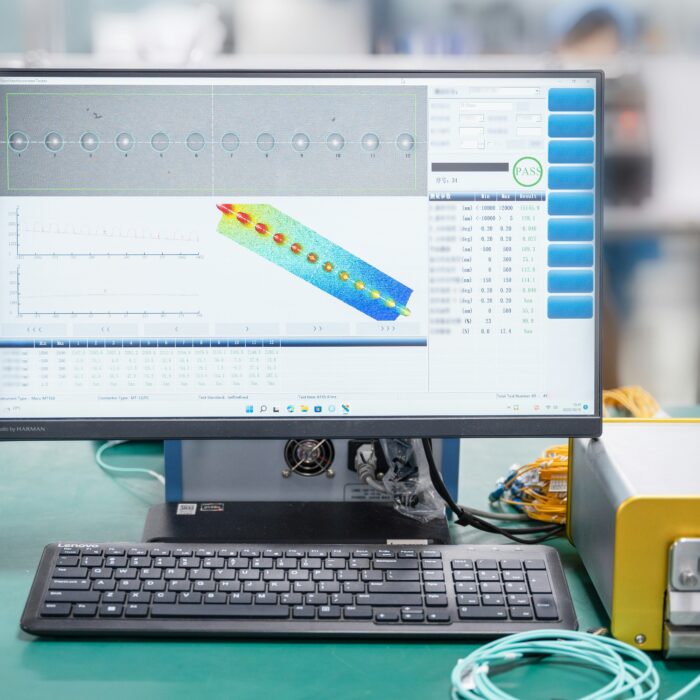
- Dimensional inspection: Measuring part geometry against CAD specifications, often using CMMs (Coordinate Measuring Machines) or optical systems
- In-process monitoring: Using Statistical Process Control (SPC) to monitor production trends and step in before defects occur rather than after
- Material verification: Checking material properties like melt flow index, density, or tensile strength to confirm consistency from batch to batch
- Tooling qualification: Confirming that moulds are producing parts within tolerance and flagging when tooling needs attention
- Traceability and documentation: Keeping calibrated records that demonstrate compliance with customer, regulatory, or certification requirements
When these elements work together, measurement data drives decisions, waste is reduced, and quality stays consistent across production runs.
Metrology and Regulatory Compliance in Ireland
Irish manufacturers supplying into medical devices, automotive, aerospace, or food-contact plastics work in tightly regulated environments. Bodies like the NSAI (National Standards Authority of Ireland) and international certification schemes require that measurement systems are not just in place, but validated, calibrated, and fully documented.
This is where Measurement System Analysis (MSA) becomes important. MSA is a statistical method for checking whether your measurement process is reliable. It accounts for gauge repeatability and reproducibility (Gauge R&R), bias, linearity, and how stable readings are over time.
Put simply, your measuring equipment is only useful if you can trust the numbers, it gives you. MSA provides the statistical evidence to support that trust and to show auditors, customers, and certification bodies that your system holds up under scrutiny.
Building a Culture of Measurement
Good equipment only gets you so far. Measurements taken inconsistently, by operators using different methods, or on equipment that has not been calibrated, will produce data you cannot rely on, regardless of how advanced your tools are.
For plastics manufacturers looking to get more from their metrology setup, a few practical habits make a noticeable difference:
- Make measurement everyone’s responsibility: Measurement should not sit only with the quality department. It belongs at every stage of production
- Document everything: Calibration schedules, measurement procedures, and inspection records should be written down, standardised, and easy to access
- Train your team properly: Operators who understand why they are measuring, not just how, will make better calls when a reading looks off
- Use data to prevent, not just detect: Use measurement data to spot trends and fix recurring problems, not just to pass or fail individual parts
- Choose tools that suit your output: In-line measurement and automated inspection are more accessible than they used to be and pay back quickly through reduced scrap and rework
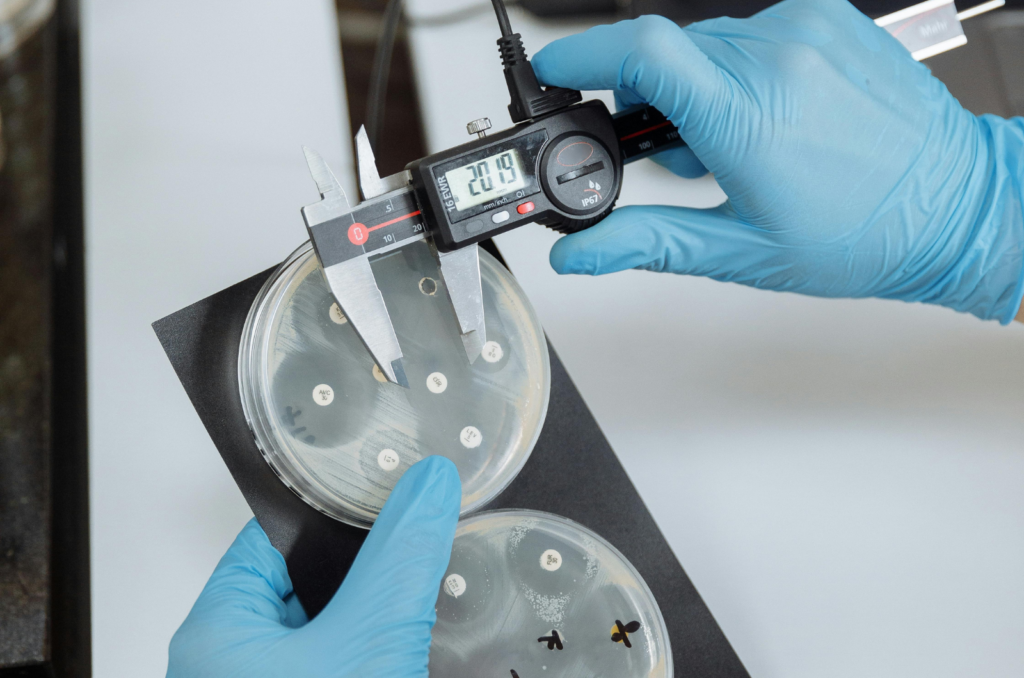
The Business Case: Why Good Metrology Pays for Itself
It is tempting to treat measurement equipment as an overhead cost. A more useful way to look at it is as protection against a much larger cost: getting it wrong.
Manufacturers with solid quality measurement systems in place tend to see real benefits across the business:
- Lower cost of poor quality: Fewer customer returns and warranty claims
- Faster first-article inspection: Less time spent on inspection per part, particularly when using automated systems
- Smoother audits and certifications: Documented evidence of compliance rather than last-minute scrambling before an audit
- Reduced scrap and rework: Process drift spotted early and corrected before it affects finished parts
- Stronger customer relationships: Consistent quality is something customers notice, especially in export markets where Irish manufacturers compete on more than price alone
For a plastics manufacturer in Ireland competing across European and global supply chains, a strong metrology setup is not just a quality matter. It is a commercial one.
How We Are Putting This into Practice
We have recently introduced AI-powered software into our metrology process, and it is already changing how we handle the paperwork side of quality measurement.
The software takes on the documentation work involved in FAIRs and validations. It bubbles the drawing, creates the reports, and when measurements are taken on the CMM or similar machines that produce a measurement report, those results are fed into the software and placed automatically in the correct location on the report, even if the measurements were not taken in order.
Beyond that, it allows us to standardise all our quality documentation, including PCPs, PFMEAs, and other PPAP documentation. Once a template is set up, completing a report is a case of working through checkboxes. The information you want goes where it needs to go, and because many of these documents share common data, once one report is filled out, others that require the same information populate automatically.
The goal is straightforward: faster turnaround on quality documentation, consistent formatting across every report, and less room for human error. For our customers, that means more reliable paperwork to go alongside the parts we supply.
Measurement Is the Language of Quality
Metrology in manufacturing gives you something every production team needs confidence. Confidence that your parts meet specification, that your process is running as it should, and that when a customer asks whether you can hold a tolerance, you can answer with data rather than a best guess.
Quality measurement systems are not simply tools. They are the foundation that allows consistent, competitive manufacturing to happen. For Irish plastics manufacturers looking to grow, hold onto customers, and open new markets, building a reliable measurement system is one of the most practical investments you can make.
Precision is not a luxury. For manufacturers who take quality seriously, it is simply how the job gets done.
Want to learn more about how we approach quality measurement at Key Plastics?
Get in touch with our team. We work with manufacturers to help them build measurement systems that deliver real results.